
By Theo Rijs, Chair National Scout Programme
A small change in words, but an important part of making our badge programme clear, accessible and Scout-centered badges are an important part of the SCOUTS South Africa Advancement Programme. They give Scouts opportunities to learn by doing, develop practical skills, explore interests and discover new possibilities.
That means the names we give our badges matter. A good badge name should be easy for a Scout to understand, reflect what they will actually learn or do, and fit naturally with the way we name the rest of the Scout badge programme.
As part of the ongoing review of the Scoutcraft and Scout Interest badges, several badge names have therefore been updated. These are not changes simply for the sake of changing names. They are intended to make the badge programme more consistent, approachable and meaningful for Scouts. (Download this post and share it with your Scouts. Find it HERE.)
The following names have changed:
Scoutcraft badges
- Map Reading Scoutcraft Badge → Map Reader Scoutcraft Badge
- Charts Scoutcraft Badge → Chart Reader Scoutcraft Badge (which will be introduced shortly)
Scout Interest badges
- Ornithologist Scout Interest Badge → Birder Scout Interest Badge
- Sharpshooter Scout Interest Badge → Shooting Sports Scout Interest Badge
Scouters, Troops and Districts are asked to update badge lists, records, programme resources and other local materials to reflect these name changes.
The name change explained:
From Ornithologist to Birder
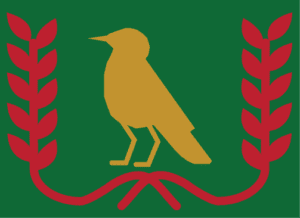 The Ornithologist Scout Interest Badge has become the Birder Scout Interest Badge. There is nothing wrong with the word ornithologist. It is a perfectly accurate term for someone who studies birds, particularly from a scientific or academic perspective. However, it is not necessarily the most approachable name for a Scout badge.
A Scout working on this badge is not expected to become a professional ornithologist. The purpose of the badge is to encourage a Scout to discover birds, observe them, identify them, learn about their behaviour and habitats, and develop an appreciation for the natural world. Birder is a much more accessible description of this activity. It reflects the idea of getting outdoors with binoculars, a field guide or a camera and discovering what is around you. It is about observing, identifying, recording and learning through experience. That fits particularly well with the Scout method of learning by doing. The name Birder also removes the suggestion that a Scout needs specialist academic knowledge before they can begin. A Scout does not have to be an expert to start exploring birds. They simply need curiosity, observation skills and a willingness to get outdoors and discover.
In other words: Ornithologist sounds like a profession. Birder sounds like something a Scout can become by doing it. That is a much better fit for an Interest Badge.
From Sharpshooter to Shooting Sports
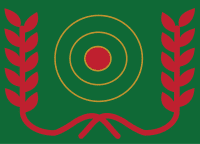 The Sharpshooter Scout Interest Badge has become the Shooting Sports Scout Interest Badge. This change is about making the purpose and context of the badge clearer. The word Sharpshooter describes a person and can suggest a high level of shooting ability.
It can also create an unintended association with weapons or aggressive use of firearms. That is not the message we want the badge name to convey.
Shooting Sports places the emphasis on the activity as a structured sporting discipline. It makes it clear that the badge is about participation in a safe, controlled and disciplined sporting environment. The new name also provides greater flexibility to recognise different forms of shooting sports, rather than suggesting that the badge is primarily about becoming a particular type of shooter. Most importantly, the name better reflects the values we want to promote – safety, discipline, concentration, responsibility, skill and sportsmanship. The badge remains subject to all applicable SCOUTS South Africa safety requirements and policies. The name change simply makes the intended context much clearer.
Sharpshooter describes the shooter. Shooting Sports describes the sport. For a Scout badge, the second is the better description.
From Map Reading to Map Reader
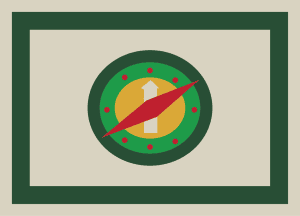 The Map Reading Scoutcraft Badge has become the Map Reader Scoutcraft Badge. At first glance, this might seem like a very small change. However, it reflects an important principle in how we name our Scoutcraft badges. Many of our badge names describe the Scout and the capability they have developed, rather than simply naming an activity. Consider names such as Air Planner, Oarsman, Home Carer, Drone Operator, Map Reader, Chart Reader. These names describe a role, skill or capability. Map Reading, by comparison, sounds like the name of an activity or subject. Map Reader describes the Scout who has developed the ability to use a map confidently and practically. And that is exactly what the badge is about.
The Map Reader Scoutcraft Badge develops the foundational navigation skills Scouts need for outdoor adventure, including using a compass, bearings and maps, understanding scales, symbols and contours, and planning a route using a topographical map. This is therefore much more than simply reading a map. A Scout who has completed the badge has developed the ability to use a map as a practical navigation tool. They can look at a topographical map and understand what the landscape is telling them. They can interpret contours, identify features, work with scale and bearings, orientate the map and use the information on it to plan a route. That Scout has become a Map Reader.
The new name therefore describes the outcome of the badge rather than merely the activity involved in completing it.
From Charts to Chart Reader
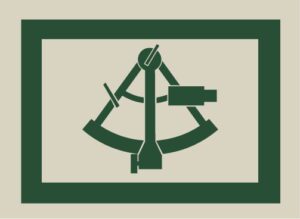
The Charts Scoutcraft Badge will shortly become the Chart Reader Scoutcraft Badge. This follows exactly the same naming principle as Map Reader. Maps and charts are both navigation tools, but they are used in different environments. A map generally represents land and the features found on it. A nautical chart represents the marine environment and provides information needed for safe navigation on the water.
The Scoutcraft foundation should therefore give a Scout the ability to read and interpret the appropriate navigation document for the environment in which they are operating. On land: Map → Map Reader On water: Chart → Chart Reader This creates a much clearer and more logical naming relationship. It also fits naturally into the progression from foundational Scoutcraft skills to more advanced Interest Badges. The current navigation pathway already reflects this progression. Map Reading provides the foundation for later navigation skills, including Mapping and Advanced Navigation.
Similarly, the existing Charting Scout Interest Badge builds on the Charts Scoutcraft Badge and takes the Scout into more advanced nautical navigation, including compass terminology, map projections, datums, plotting courses and creating a chart to scale. The Scoutcraft badge is therefore about acquiring the basic skill: Can you read and use a chart? The Interest Badge can then take that foundation further: Can you apply charting and navigation skills in a more advanced maritime environment?
Calling the Scoutcraft badge Chart Reader makes that progression easier to understand.
Why badge names are important?
It might be tempting to think that changing a badge name is simply a matter of changing a few words on a badge list. It is more important than that. Badge names are often the first thing a Scout sees when deciding what they want to learn. A name should therefore be:
- Clear – Scouts should have a good idea what the badge is about.
- Approachable – The name should encourage Scouts to explore something new.
- Scout-centred – It should reflect the Scout’s learning and achievement.
- Consistent – Similar skills should be named in similar ways.
- Meaningful – The name should describe what the Scout has actually developed.
- Future-facing – It should continue to make sense as the programme develops.
The changes from Ornithologist to Birder and Sharpshooter to Shooting Sports make the badges more approachable and clarify what the activities are about.
The changes from Map Reading to Map Reader and Charts to Chart Reader establish a more consistent naming pattern across the navigation pathway.
A badge is about what the Scout becomes.
Ultimately, this is the common thread running through these changes. Scouting is not simply about completing activities. It is about what Scouts learn, experience and become capable of doing as a result.
A Scout does not merely read a map — they become a Map Reader. They do not merely study birds from a textbook — they become a Birder. They do not simply participate in an activity involving shooting — they participate in Shooting Sports within a safe and disciplined sporting environment. And on the water, a Scout does not merely look at a chart — they develop the skills to become a Chart Reader. These names put the Scout and their developing capabilities at the centre of the badge. That is exactly where they belong.
The names may have changed, but the purpose remains the same;
giving Scouts meaningful opportunities to learn, explore, develop skills and discover what they are capable of.