

By Thabiso Majola, Chair National Rover Programme

Howling Hound Photography
When we think of the word “service,” we often picture large-scale disaster relief efforts, major community projects, or publicised charity drives. While these initiatives are important, true service begins on a smaller scale. In the context of the Scout Movement, service is not merely an occasional event or something to check off for an advancement badge; it is a state of mind, an ethical moral compass, and a life skill that must be practiced and cultivated.
July is a meaningful month for South Africans as we celebrate Mandela Day and reflect on our shared civic responsibilities. It is also the time when SCOUTS South Africa focuses its national thought leadership on the core value of service. For those of us in the Rover branch, this focus resonates deeply. Our branch is firmly anchored by a Rover Motto of “Service.”
But how does a young person learn to serve? In Scouting, we do not learn about service through textbooks or lectures; instead, we learn it through action, failure, reflection, and growth.
Long before a young person joins the Rover branch, the seeds of service are planted through our progressive advancement programme.
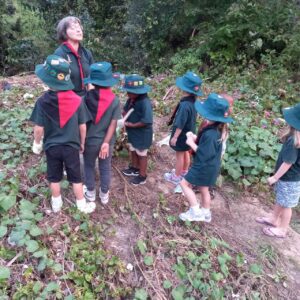 Meerkats and Cubs learn the foundational joy of looking beyond themselves. A Cub commits to a simple daily task “to do a good turn to somebody every day.” This teaches an important psychological lesson early in life, our actions can have an immediate, positive impact on the emotional well-being of others.
Scouts build on this foundation through the Scout Programme, where service becomes more structured. To earn their First Class or the prestigious Springbok Award, a Scout must identify a specific need in their community, plan a project, manage a team, and execute it. This transforms service from a random act of kindness into an exercise in project management, leadership, and accountability.
Through this active approach, Scouting redefines service. It stops being a chore or an obligation and becomes a natural response to recognising vulnerabilities in the world around us.
The three pillars of service in Rovering
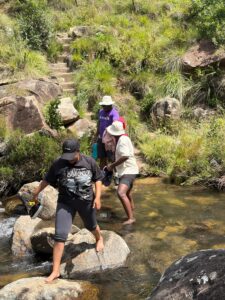 As young adults transition into Rovering, the expectations shift. We are no longer just participating in service projects under the supervision of Adult Leaders; we become the primary drivers of societal change. The Rover Advancement Programme structures this lifelong commitment around the “Three Pillars of Service”. These are:
Service to Self: This may seem strange to the idea of charity, but one cannot pour from an empty cup. Service to self involves self-improvement, acquiring skills, protection ones mental health, and building capacity so that you are strong enough to support others.
Service to the Movement: This pillar involves giving back to the grassroots structures that shaped us. It means stepping up to run Meerkat Dens, Cub Packs, and Scout Troops, or helping to maintain our Scouting properties and campsites.
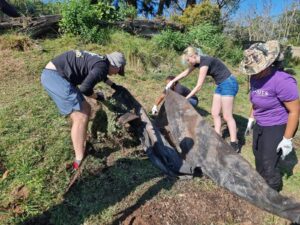 Service to the Community: This is the ultimate expression of citizenship, where Rovers engage directly with our local neighbourhoods to tackle pressing socio-economic and environmental challenges.
This July, SCOUTS SA’s “Putting Values into Action” Mandela Day campaign challenges every individual and group to dedicate time to local communities. Whether it involves preparing Jars of Hope for vulnerable households, planting sustainable food gardens, or coordinating local clean-ups, these projects demonstrate the tangible impact of our youth network.
Service teaches our youth that they are not helpless bystanders in a developing nation. When a Rover Crew builds a water collection system for a rural school or runs an environmental camp for children who have never left the city, they learn what it means to be active citizens. They acquire skills in logistics, budget management, cross-cultural communication, and building partnerships across sectors. These are exactly the leadership qualities that corporate environments and civil societies desperately seek.
The true success of our programme implementation is not measured by the number of service hours logged, but by the character of the adults who emerge from the Movement. By learning how to serve through Scouting, our members are simultaneously learning how to lead.